


UNAIR NEWS � (UNAIR) continues to achieve international recognition. Martia Rani Tacharina, a lecturer at UNAIR檚 Faculty of Veterinary Medicine (FKH) and a doctoral candidate at The University of Queensland, Australia, was selected to speak at the prestigious 2025 World Society for Virology (WSV) Conference.
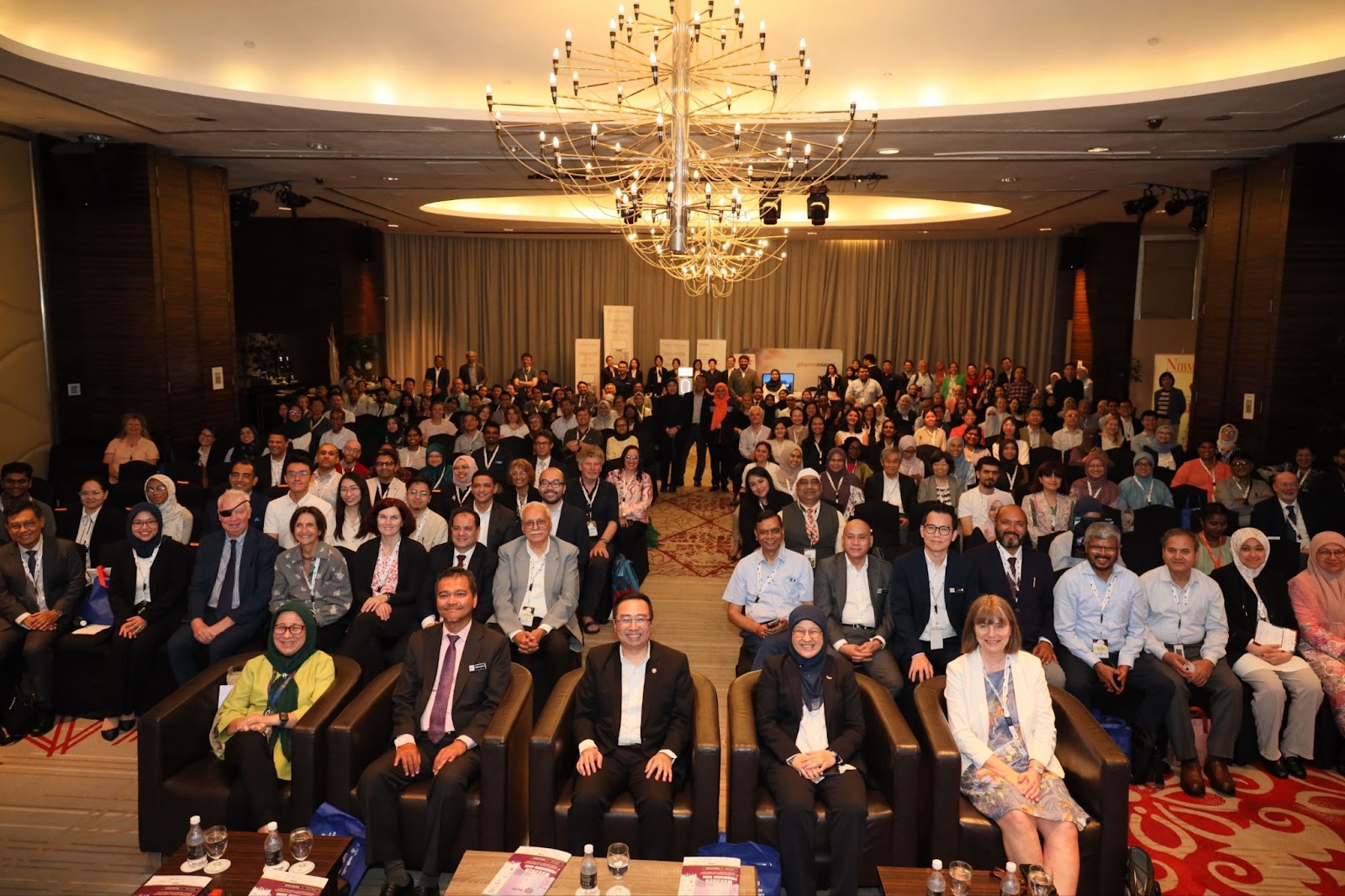
Held on Tuesday, May 6, 2025, the forum brought together more than 200 participants from 37 countries. The WSV Conference serves as a high-level scientific platform for global virology experts to share insights on viral research and its implications for global health.
Showcasing bat retrovirus research to global audience
Tacharina presented her research titled 淭issue Tropism Study of Flying Fox Gammaretrovirus Infection in the Endangered Spectacled Flying Fox (P. conspicillatus),� which investigates the link between retrovirus presence in fruit bats and immunosuppression攆actors that may allow other viral infections to develop.
淭his conference is a golden opportunity to showcase Indonesian scientific contributions on an international stage, especially in the field of virology, which intersects with One Health approaches and wildlife conservation,� Tacharina told UNAIR NEWS.
Her participation also opened avenues for potential international research collaborations with leading virology laboratories around the world.
Competitive selection and global recognition
According to Tacharina, the selection process for WSV was highly competitive. Submitted abstracts were reviewed by international scientific panels based on originality, relevance, and their potential contribution to virology.
淎lhamdulillah, my research was accepted for a regular talk session. I檓 very grateful and honored攖his isn檛 just a personal success but a reflection of the quality of Indonesian research,� she said.
Her presentation received positive feedback from the audience. Several attendees, including professors from prominent virology institutions, expressed interest in exploring collaborative research opportunities.
Highlighting one health in preventing zoonotic disease
In her presentation, Tacharina noted that Flying Fox Gammaretrovirus (FFRV) shows tissue tropism in lymphoid organs such as the spleen and lymph nodes. This suggests that FFRV may weaken the bats� immune systems, increasing the risk of secondary infections.
淎lthough FFRV does not infect humans, understanding it is vital in the context of zoonotic disease. Bats are known reservoirs for viruses such as Nipah, Hendra, and coronaviruses. Research like this helps us better prepare for future spillover risks,� she explained.
Tacharina stressed the importance of a One Health framework攁n integrated approach that connects human, animal, and environmental health攁s essential to preventing future outbreaks.
Inspiring indonesia檚 next generation of scientists
Tacharina hopes her involvement in this global scientific forum will inspire other young researchers in Indonesia. 淪peaking at an international conference is not an impossible dream. What matters is consistent research, stepping beyond your comfort zone, and carrying the nation檚 name onto the global stage,� she said with enthusiasm.
Author: Nafiesa Zahra
Editor: Khefti Al Mawalia


